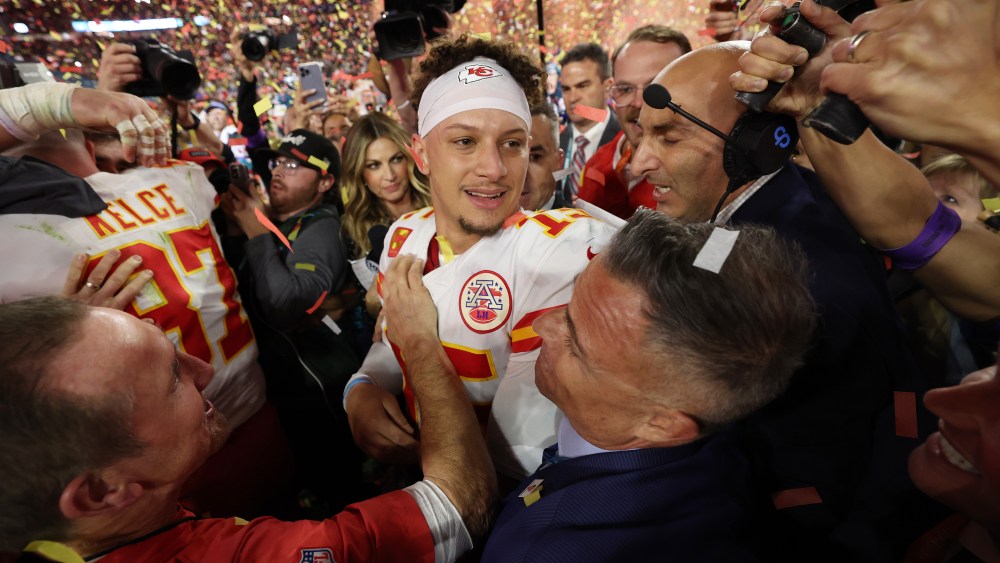
Super Bowl Viewership: TV Dominance vs. Rising Internet Streams
The Super Bowl isn't just a championship game; it's a cultural phenomenon, a shared experience that unites millions across the globe. For decades, the quintessential way to experience this spectacle has been gathered around a television screen. Yet, as technology progresses, the landscape of how we watch live events, including the Super Bowl, is rapidly evolving. We're witnessing a fascinating dynamic: the enduring power of traditional TV broadcasts facing the swift ascent of internet streaming. This article delves into this viewership duality, using historical data to highlight the journey from cable dominance to the diversified viewing options available today, all while keeping an eye on the critical demand for real-time Superbowl Live Score updates.
The Dawn of Digital: Super Bowl XLVI as a Turning Point
Flashback to February 5, 2012, a day etched in the memories of NFL fans. Super Bowl XLVI presented a thrilling rematch between the New York Giants and the New England Patriots. Four years prior, the Giants had famously upset the Patriots, a 17-14 victory that resonated deeply. The 2012 showdown was ripe with anticipation – would history repeat itself?
For those who couldn't secure a coveted ticket to the stadium, traditional television was, of course, the primary window to the action. However, 2012 marked a significant step in the digital viewing experience. NBC, the broadcast network, offered a live stream of Super Bowl XLVI. Fans could access the game online via their computers or, notably, through mobile devices using Verizon Wireless’s NFL Mobile application. This accessibility was revolutionary for its time, providing a glimpse into the future of sports consumption.
While these early streams were still nascent, they catered to a growing demand for flexibility. Viewers could follow the crucial plays, witness every touchdown, and stay abreast of the Super Bowl XLVI: Giants vs Patriots Rematch & Live Stream Guide, all from a device in their hand or on a laptop screen. The ability to get instant updates, including the all-important Superbowl Live Score and play-by-play, directly to a personal device, began to shift expectations for how major sporting events could be consumed.
The Numbers Game: TV's Enduring Reign vs. Internet's Rapid Ascent
The viewership statistics from Super Bowl XLVI beautifully illustrate the crossroads of media consumption at the time. Traditional television distribution, encompassing network and cable broadcasts, recorded a colossal average viewership of 108.7 million people. This figure underscored the unwavering power of linear TV for grand, live sporting events, solidifying its place as a communal viewing experience.
In stark contrast, internet distribution, while significantly smaller, showcased remarkable growth. A record 3 million viewers tuned in via online streams, a substantial increase from 2.1 million the previous year – representing a remarkable 43% year-on-year surge. While this number accounted for less than 3% of the traditional TV audience, its growth trajectory was undeniable. Furthermore, an estimated 10 million people watched at least some portion of the game via internet distribution, according to Yahoo News, indicating a broader, if less sustained, engagement online.
This data presents a classic "spin" scenario. One could emphasize the internet's explosive 43% growth, heralding a new era. Alternatively, one could highlight that internet distribution was still a mere fraction of the traditional TV audience, reinforcing television's seemingly unassailable dominance. Both perspectives, based on factual data, revealed a changing tide, with digital platforms carving out an increasingly important niche.
While the 2012 TV viewership was a very healthy number, it was noted as only the third most watched Super Bowl at that point. This subtly indicated that while TV was dominant, the overall record viewership for the Super Bowl was not necessarily increasing year-on-year at that exact moment, but rather that internet viewership was the one demonstrating record growth.
Why Traditional TV Still Holds Its Ground
Even with the impressive growth of streaming, traditional television and cable channels continue to excel in delivering real-time, grand sporting events like the Super Bowl. Several factors contribute to this enduring strength:
- Reliability and Stability: Broadcast television offers unparalleled stability. Viewers rarely contend with buffering, resolution drops, or server overloads, issues that can still plague even the most robust streaming services during peak events.
- High Production Quality: Traditional broadcasters invest heavily in cinematic camera angles, advanced graphics, and seamless transitions, providing a polished, immersive experience that is hard to replicate consistently across diverse internet connections and devices.
- Communal Experience: The Super Bowl is often a social event, watched with friends and family. The simplicity of turning on a TV and gathering in a living room remains a deeply ingrained ritual.
- Ubiquity: For many households, a television set connected to cable or antenna is still the most straightforward and universally accessible way to consume media, requiring minimal technical setup.
For many, the large screen, superior audio, and the communal aspect solidify TV as the go-to platform. The immediacy of the broadcast means you get the Superbowl Live Score as it happens, without a second's delay.
The Digital Revolution Continues: Future of Super Bowl Viewership
Since 2012, the landscape of digital streaming has undergone a seismic shift. Faster internet speeds, ubiquitous smartphones, advanced smart TVs, and a proliferation of dedicated sports streaming platforms have transformed how fans connect with the game. While an "Internet distribution only" Super Bowl may still be a distant concept for many traditionalists, the trend points towards an increasingly hybrid viewing experience.
Today, fans have more options than ever:
- Official Streaming Apps: Major broadcasters and the NFL itself now offer sophisticated apps that stream the game live, often with additional features like multiple camera angles, statistical overlays, and real-time highlights.
- Sports-Specific Streaming Services: Platforms like Peacock, Paramount+, and others, depending on broadcast rights, now offer the Super Bowl as part of their subscription packages, catering to cord-cutters.
- Social Media Integration: Platforms like X (formerly Twitter) and Facebook become a second screen, providing a dynamic space for commentary, instant replays, and sharing reactions, all complementing the live action. This also serves as a crucial channel for sharing the Superbowl Live Score with friends and followers.
- Enhanced Mobile Experience: Mobile viewing has moved beyond basic streams. Apps now offer interactive features, personalized alerts, and fantasy football integration, making the small screen a powerful hub for game engagement.
Consider a hypothetical thrilling encounter, much like when the Seahawks Super Bowl Win: Dominant Defense Shuts Down Patriots. The intensity of a dominant defense, executing play after play, leads to an insatiable desire for instantaneous updates. Whether it's a critical sack, an interception returned for a touchdown, or a sensational pass, fans demand the information now. Streaming platforms are continually working to reduce latency and improve the quality of their broadcasts to match the near-instantaneous delivery of traditional TV.
The future will likely see further convergence. Smart TVs are blurring the lines between traditional broadcasting and internet streaming, integrating apps directly into the viewing experience. Personalization, interactive elements, and potentially even virtual reality experiences could redefine what it means to "watch" the Super Bowl, making every fan's experience unique.
Conclusion
The Super Bowl's viewership journey, from its firmly entrenched TV dominance to the rapid rise of internet streaming, reflects broader shifts in media consumption. While traditional television continues to be the undisputed champion for sheer volume and reliability, the digital realm offers unparalleled flexibility, interactivity, and a gateway to a global audience. The data from Super Bowl XLVI in 2012 served as an early indicator of this evolving dynamic, showcasing the robust strength of TV while simultaneously highlighting the undeniable growth of online platforms. As technology advances, the way we follow the Superbowl Live Score and experience the entire event will only become more diverse, personalized, and integrated, ensuring the Super Bowl remains a must-watch spectacle for generations to come, regardless of the screen size.